New patients! Your check-up is £75, for a limited time only
That's up to 45 minutes with our dentist, digital X-rays if you need them, and a thorough check to catch small things early. Our standard fee is £120. Ask us about our whitening offers too.
No thanks, I'll pay the full £120

Tooth extraction in Wellingborough
Local anaesthetic for a calm, comfortable experience
Friendly team offering personalised support
Clear aftercare guidance for a smooth recovery
Tooth extraction at a glance
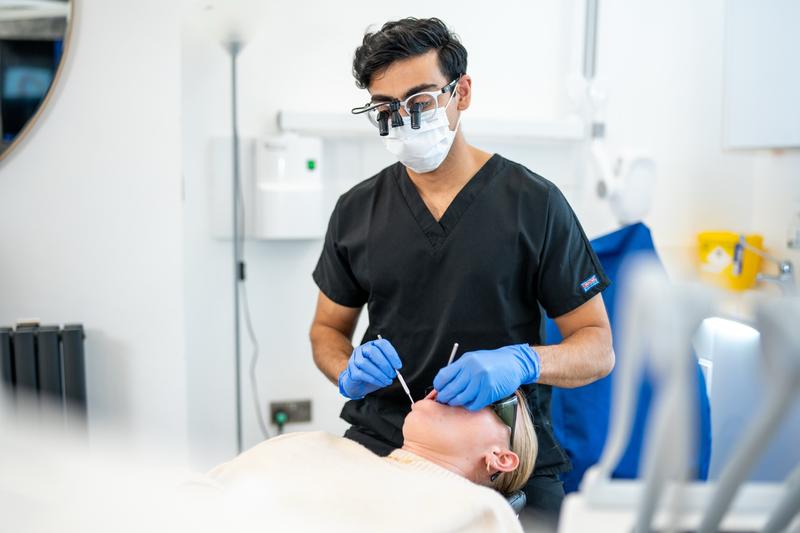


A tooth extraction is a routine procedure carried out under local anaesthetic. If part of the tooth sits above the gum, your dentist gently loosens it before removal. For teeth that are broken or trapped beneath the gum—such as impacted wisdom teeth—a small incision may be needed to reach and remove the tooth and root.
Common reasons include deep decay, infection, gum disease or irreparable damage. Sometimes teeth are taken out to create space—for example, before orthodontic treatment or when wisdom teeth are impacted. Whatever the cause, we’ll explain the reasoning and make sure extraction supports your long-term oral health.
Caring for nervous patients
Compassionate support when you need it most
We know an extraction can feel daunting—especially if you’re anxious about dental treatment. That’s why we can provide IV sedation, helping you relax while we work. Our caring team stays by your side from start to finish, making sure you feel safe and in control.
.png)

What happens after the extraction?
Looking after your mouth while it heals
After removal, we place a small suture to encourage healing and ask you to bite on a soft pad. A blood clot will form in the socket—vital for smooth recovery—so it’s important not to disturb it. Mild soreness is normal once the anaesthetic wears off; an ice pack for ten-minute intervals can help ease any swelling.
For the first day or two:
Avoid hot drinks, smoking, alcohol and mouthwash
Stick to soft, lukewarm foods
Brush carefully, steering clear of the extraction site
Meet the team guiding your treatment
Meet our team
Our dentists and nurses perform extractions every week and understand the worries that can come with them. We explain each step clearly, answer questions, and tailor the pace to suit you.



Book an appointment
How can I avoid needing an extraction?
Prevention first
Daily brushing with fluoride toothpaste, flossing, and cutting down on sugary snacks all protect against decay and damage. Regular check-ups let us spot problems early and treat them before they progress.


Need urgent help?
Dental emergencies: we’re here for you
Severe pain, swelling or trauma can’t wait. Call us straight away and we’ll arrange prompt care—whether that’s relief from pain, temporary treatment or, if necessary, an extraction.

FAQ
Tooth extraction in Wellingborough
Is tooth extraction painful?
With local anaesthetic you won’t feel pain during the procedure. Some tenderness afterwards is normal and usually eased by over-the-counter pain relief. IV sedation is available if you’re particularly nervous.
How long is the healing time?
Initial gum healing takes about a week, though the bone can take several weeks to settle. Follow the aftercare instructions we provide and call us if you’re concerned at any point.
Will I need to replace the tooth?
Often, replacing a lost tooth helps maintain chewing function and prevents neighbouring teeth from shifting. Options include implants, bridges or partial dentures—your dentist will outline what’s best for you.
Can I eat normally afterwards?
Stick to soft, cool foods for the first few days, then re-introduce your usual diet as comfort allows.
When can I brush near the site?
Avoid the extraction area for 24 hours. After that, brush gently, taking care not to disturb the clot.

Ready to book?
If you suspect you need a tooth removed—or just want clear advice—get in touch today. We’re here to help every step of the way.